
1920s Art Deco Emergence and Inspiration
- Richard Hancox
- Apr 23, 2023
- 2 min read


The 1920s was a period of dramatic social and cultural change in the United Kingdom, and one area where this was particularly evident was in the world of fashion and design.
The Art Deco movement, which emerged in the aftermath of World War I, had a profound impact on the jewellery industry, with a new wave of designers and makers producing bold and innovative pieces that epitomized the glamour and sophistication of the era.
Art Deco jewellery was characterized by its geometric shapes, bold use of colour and materials, and emphasis on luxury and opulence. The movement drew inspiration from a range of sources, including ancient Egyptian and Aztec motifs, the sleek lines of modernist architecture, and the natural world
. This eclectic mix of influences gave rise to a style that was both timeless and distinctly modern, and which continues to be popular with collectors and enthusiasts today.
One of the most notable features of Art Deco jewellery was its use of precious and semi-precious gemstones, which were often set in elaborate, geometric arrangements. Diamonds, emeralds, sapphires, and rubies were particularly popular, and were frequently combined with other materials such as onyx, jade, and coral to create striking contrasts and unusual textures. Another hallmark of Art Deco jewellery was its use of platinum and white gold, which became the materials of choice for many designers due to their durability and ability to reflect light.
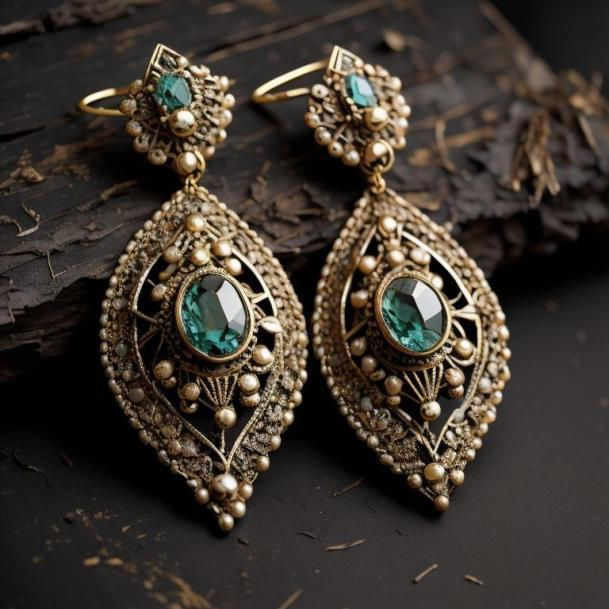
In addition to its bold use of materials, Art Deco jewellery was also characterized by its attention to detail and craftsmanship. Many pieces featured intricate engraving, filigree work, and delicate motifs, which required a high degree of skill and expertise to create. This emphasis on quality and craftsmanship helped to establish Art Deco jewellery as a symbol of status and luxury, and ensured that it remained in demand throughout the decade.
Some of the most iconic examples of Art Deco jewellery from the 1920s include the Cartier "Tutti Frutti" bracelets, which featured a vibrant mix of diamonds, emeralds, and rubies arranged in a loose, asymmetrical style. Another notable piece was the Van Cleef & Arpels "Zip" necklace, which was designed to look like a functional zipper and could be worn both open and closed. Other designers who were known for their Art Deco creations included Boucheron, Chaumet, and Fouquet, all of whom helped to shape the style and aesthetic of the era.
Overall, the Art Deco movement had a profound impact on the jewellery industry in the UK, and helped to establish a new standard of luxury and elegance that continues to be celebrated today. Its bold use of colour, materials, and geometric shapes remains an inspiration to designers and makers around the world, and ensures that the legacy of this iconic period of design will endure for many years to come.


Comments